

Friday, October 9, 2026
National Mental Health Leaders Weigh In on Health System Readiness for Psychedelic Therapy
BrainFutures, Mental Health America, the National Council for Mental Wellbeing, and the Meadows Mental Health Policy Institute call on clinicians, advocates, and payers to help build a safe, accessible, well-trained system now, before the first approval.
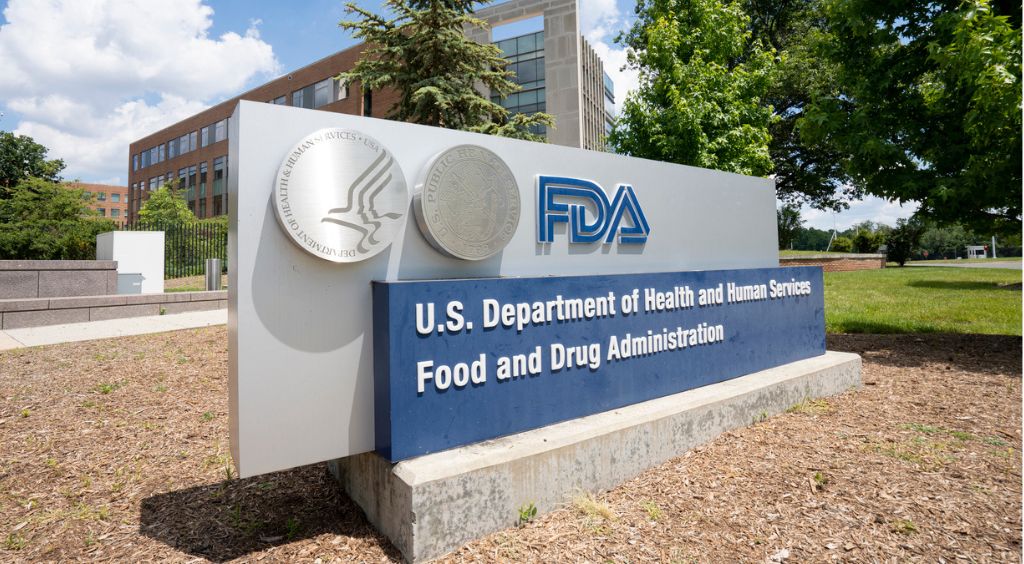
WASHINGTON, DC – On Monday, Oct. 5, national nonprofit BrainFutures and leading mental health organizations responded to the Food and Drug Administration’s opportunity to comment on potential future therapeutic use of psychedelics, with a focus on helping the healthcare system prepare for these treatments.
Read our letter to the FDA here.
The need is urgent. According to the Substance Abuse and Mental Health Services Administration’s latest data, 54.6 million U.S. adults experienced a mental illness in 2025, 18.2 million had a serious mental illness, and 44.6 million people age 12 and older had a substance use disorder. Psychedelic drugs in late-stage clinical trials have shown promise for treatment-resistant depression, major depressive disorder, post-traumatic stress disorder, and alcohol use disorder, among other conditions.
The comment follows the FDA’s Sept. 14 public hearing, held with federal partners, which gathered testimony on four areas: provider training and credentialing, patient safety, access, and data collection and standardization. Speaker after speaker, including nurses, social workers, pharmacists, and physicians, pointed to the need for evidence-based training frameworks and clinical guidelines built on existing licensure pathways rather than a parallel system.
“I applaud the FDA for running a public process and asking the right questions. But the answers can’t come from any one organization,” said Sarah Norman, MPP, executive director of BrainFutures. “Psychedelic care belongs inside our existing health system, not beside it. Trained care teams, clinical guidelines grounded in rigorous science, sustainable reimbursement, and long-term safety monitoring are requirements, not nice-to-haves. If we wait until approval to build that foundation, access will default to those who can afford to pay out of pocket. This is our opportunity to build a system that delivers safe, effective, equitable care for every patient.”
What a ready health system looks like
In the joint comments to the FDA, the organizations outline a roadmap for readiness:
This is an incredible time for the behavioral health field. Research and clinical trials are showing promising evidence that psychedelics, when used in appropriate clinical settings, may offer safe and effective treatment options for people who have not found the help they need through other therapies,” said Chuck Ingoglia, president and CEO of the National Council for Mental Wellbeing. “The promise psychedelics have demonstrated in research reinforces why clinical innovation should be the expectation, not the exception. The National Council and our members support the continued rigorous study and responsible adoption of new, safe, evidence-based tools that can help make mental wellbeing — the foundation of a strong, healthy and fulfilling life — a reality for everyone.”
“As we continue to advance innovation in mental health care, we must ensure that emerging treatments like psychedelic therapies are developed and delivered with the voices, experiences, and needs of people with lived experience at the center,” said Tim Clement, interim vice president of policy and advocacy at Mental Health America. “Mental Health America remains committed to advancing equitable access to evidence-based approaches that expand hope and improve outcomes. And, to protecting the safety and autonomy of every person seeking care.”
“We applaud the FDA for its focus on the future state of behavioral health and its investment in solutions to ensure that care is available, safe, and evidence-based,” said Andy Keller, PhD, president and CEO of the Meadows Mental Health Policy Institute. “History has shown us that scientific breakthroughs can change lives only when they are accessible to those who need them. Innovation must be integrated into broader health care and coupled with payment and delivery systems that ensure effective care is available when and where people need it. That is how we bring innovation to rural and underserved communities and make it part of everyday health care,” said Andy Keller, PhD, president and CEO of the Meadows Mental Health Policy Institute.
It appears that we may be on the eve of the first FDA approval of a psychedelic medication, though timing remains uncertain. BrainFutures is building the infrastructure to support responsible integration, including its Professional Practice Guidelines for Psychedelic-Assisted Therapy (developed with the American Psychedelic Practitioners Association and set for an update in 2027), a guide to CPT and HCPCS billing codes for psychedelic therapy, a brief on mental health parity, and the forthcoming interdisciplinary core competencies.
BrainFutures, Mental Health America, the National Council for Mental Wellbeing, and Meadows Mental Health Policy Institute previously submitted joint written comments to the Health Resources and Services Administration (HRSA) outlining system readiness strategies.
About BrainFutures
BrainFutures is a national nonprofit that advances adoption of evidence-based innovations in brain health. Launched in 2015 by the Mental Health Association of Maryland, BrainFutures translates research into practice, including extensive work on system readiness for psychedelic therapies and other emerging mental health treatments.
About the Meadows Mental Health Policy Institute
Meadows is a Texas-based nonprofit that provides nonpartisan policy research, program development, and advice to national, state, and community leaders. The institute works to improve mental health care delivery across Texas and the nation.
About Mental Health America
Mental Health America (MHA) is the nation’s leading non-profit dedicated to promoting the mental health and well-being of all people living in the U.S. With a network of 130 affiliates in 38 states, MHA works at both the national and local levels to advance our mission through public education, research, advocacy and public policy, and direct service. Founded in 1909 by Clifford Beers, who suffered abuse in psychiatric facilities and advocated for reforms, MHA continues his legacy by educating policymakers on the impact of public policies on people with mental health conditions and substance use disorders.
About the National Council for Mental Wellbeing
Founded in 1969, the National Council for Mental Wellbeing is the leading membership organization driving policy, practice and system change on behalf of more than 3,200 mental health and substance use treatment organizations serving over 15 million people nationwide. Through advocacy, capacity building and Mental Health First Aid (MHFA), which has trained more than 5 million people in the U.S., the National Council advances access to high-quality care and promotes mental wellbeing as a fundamental part of health and well-being.
###
 ® 2026 BrainFutures All Rights Reserved.