


Thursday, May 7, 2026
Interview with Jazz Glastra and Sarah Lappan, PhD
Cocaine use disorder is a serious behavioral health condition, with mortality rates for this population estimated to be 4 to 8 times greater than the general population (source). To date, there are no FDA-approved drugs that have shown efficacy for treating this condition.
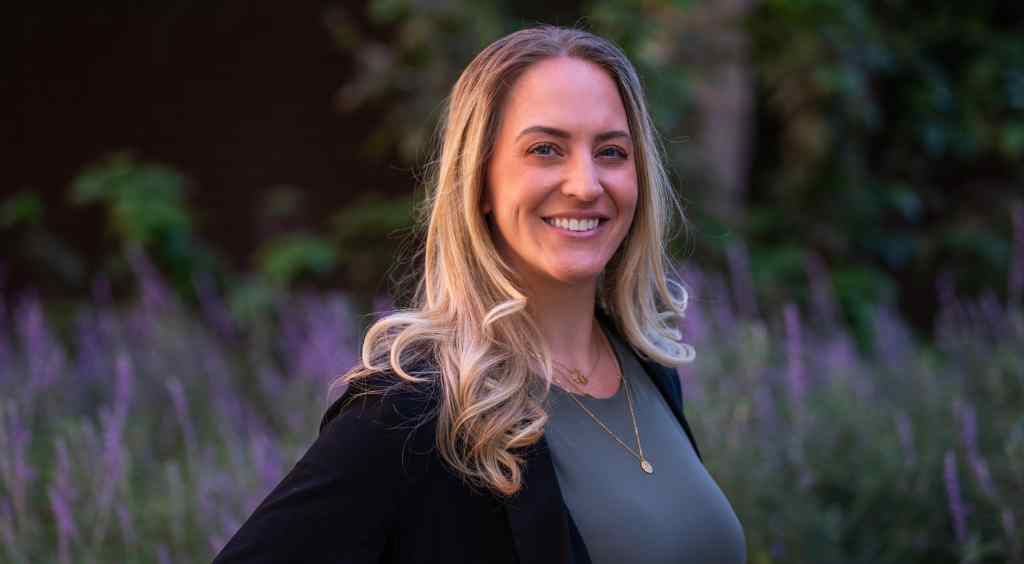
Dr. Sara Lappan, PhD is one of the authors of a new study that published today in JAMA Network Open titled “Psilocybin in the Treatment of Cocaine Use Disorder: A Randomized Clinical Trial.” After one dose of psilocybin along with psychotherapy, 30% of participants were completely abstinent from cocaine after 180 days compared to 0% in the placebo plus psychotherapy group. Unlike many psychedelic clinical trials, in which white and wealthy participants are overrepresented, this study group was 82.5% Black and 65% earned $20,000 or less annually.
In this Q&A, we ask Dr. Lappan to take us inside the study design and help us understand the nuanced implications of the findings.
I am a marriage and family therapist by training, and I received my doctorate in Couple and Family Therapy from Michigan State University in 2016. In 2015, while seeking a postdoctoral position, my research focused on pediatric obesity. I applied for a position at the University of Alabama at Birmingham’s Nutrition and Obesity Research Center.
At the same time, Dr. Peter Hendricks was recruiting a postdoctoral fellow and reached out to the director of the NORC for potential candidates. He selected my CV and contacted me via email to assess my interest in serving as a co-therapist on a study investigating the efficacy of psychedelic-assisted psychotherapy (PAP) for cocaine use disorder (CUD).
We subsequently scheduled a phone call to discuss the position, and it was during that conversation that I was first introduced to psychedelic-assisted psychotherapy—a field I immediately found compelling. Following that exchange, I committed to working with Dr. Hendricks. I often describe my entry into this field as serendipitous, and I remain deeply grateful for the introduction and opportunity he provided.
We provided a manualized, cognitive behavioral therapy (CBT)–informed psychotherapy to participants. This approach was selected because it is a well-established, evidence-based treatment for substance use disorders and offers a high degree of standardization. Using a manualized intervention supported treatment fidelity across participants and therapists, while also allowing us to more clearly evaluate the incremental effect of psilocybin as an adjunct to psychotherapy on outcomes for individuals with cocaine use disorder (CUD).
Importantly, the manualized approach helps ensure that the psychotherapy is delivered as consistently as possible across participants. This consistency is critical in a study like this because it allows us to better isolate the effects of psilocybin. If the psychotherapy varied widely, for example, in approach, structure, or therapist style, it would be difficult to determine whether observed outcomes were attributable to the therapy itself or to the psilocybin. By standardizing the psychotherapy component, we are better able to interpret any additional changes in outcomes as being associated with the psilocybin, rather than differences in how the therapy was delivered.
Drs. Hendricks, Brown, and I previously conducted a meta-analysis examining dropout rates in in-person psychosocial substance use disorder treatments (Lappan et al., 2019). Across studies, the average dropout rate was 30.4%, but rates were substantially higher for cocaine use disorder, at approximately 48.7%.
This context is important, as it highlights that dropout in cocaine-focused interventions is typically quite high relative to other substance use treatments. Given this, although we observed attrition during the preparation phase, our overall retention during the intervention phase compares favorably with what is generally reported in the literature for this population.
It is also important to note that the intervention we provided was relatively intensive and targeted a population facing significant contextual and structural challenges, which are known to impact retention. As a result, participants who completed the preparation phase and continued into the intervention were likely among the more motivated individuals, which may limit generalizability to the broader clinical population.
Note: the meta-analysis on dropout rates can be found here:
Lappan, S., Brown, A., & Hendricks, P. (2019). Dropout rates of in-person psychosocial treatment programs for substance use disorders: A systematic review and meta-analysis. Addiction. https://doi.org/10.1111/add.14793
We examined multiple outcome measures, including cocaine abstinence days (a continuous measure), complete abstinence (a dichotomous measure), and risk of relapse, because each captures a different dimension of clinical change. All of these outcomes are associated with meaningful improvements in functioning and quality of life.
From a regulatory and clinical trials perspective, dichotomous outcomes that characterize “responders” (e.g., complete abstinence), often carry the most weight, as they are more easily interpretable and align with the FDA’s preference for clear, clinically meaningful endpoints.
Ideally, the goal of treatment is complete abstinence from cocaine use. However, reductions in use are also clinically meaningful, particularly in a population where complete abstinence can be difficult to achieve. Even partial reductions are associated with improvements in health, functioning, and overall quality of life, and may represent an important step toward longer-term recovery.
We did collect qualitative data, although those analyses are still underway. Anecdotally, we observed several clinically meaningful shifts among participants. In particular, there appeared to be a reduction in ambivalence and a stronger commitment to change.
We also noticed increased relational awareness, with participants expressing a desire to improve their relationships and reflecting more openly on ways they had not been showing up in alignment with their values. These kinds of shifts, while not yet formally analyzed, suggest changes in motivation, insight, and interpersonal functioning that may not be fully captured by quantitative outcome measures.
Yes, we are actively planning next steps. The immediate priority is a larger, multisite trial to further evaluate the efficacy and safety of psilocybin-assisted psychotherapy for cocaine use disorder, with the goal of generating the level of evidence needed for potential regulatory approval.
In parallel, I am developing a new line of work focused on MDMA-assisted psychotherapy with couples who have experienced sexual trauma, with an emphasis on relational healing and dyadic processes.
As a clinician, the most important takeaway is that individuals struggling with cocaine use disorder are human beings who deserve to be treated with dignity, compassion, and respect. Too often, addiction, particularly stimulant use, is minimized, stigmatized, or viewed as a failure of will, rather than understood as a complex and deeply challenging condition.
Cocaine use disorder remains an area where we have relatively limited effective treatment options, and the burden on individuals, families, and communities is significant. If there are emerging interventions that show promise in helping people reduce suffering and move toward recovery, I believe we have a responsibility to rigorously study them and, if supported by evidence, work to make them accessible.
Ultimately, this study reinforces the importance of taking addiction seriously, not just as a clinical problem, but as a human one, and approaching treatment in a way that honors the person behind the diagnosis.
Read the full article on JAMA Network Open.
 ® 2026 BrainFutures All Rights Reserved.